Nourishing the soil to nourish people
Since 2025, we have been working with the charity ‘Hayat Tchad’, which operates in the province of Guéra, located in the south-central part of the country. For several decades, agricultural yields in Chad have been woefully inadequate. Certain regions in the centre and north are severely affected; families in Guéra are constantly threatened by hunger, in addition to living in chronic poverty.
The project in brief
Thematics
Agriculture
Status
In progress
PEriod
01.03.2025 – 31.12.2026
FUNDING
Private donations
BUDGET
CHF 25'000.--
BENEFICIARIES
2'500
Description
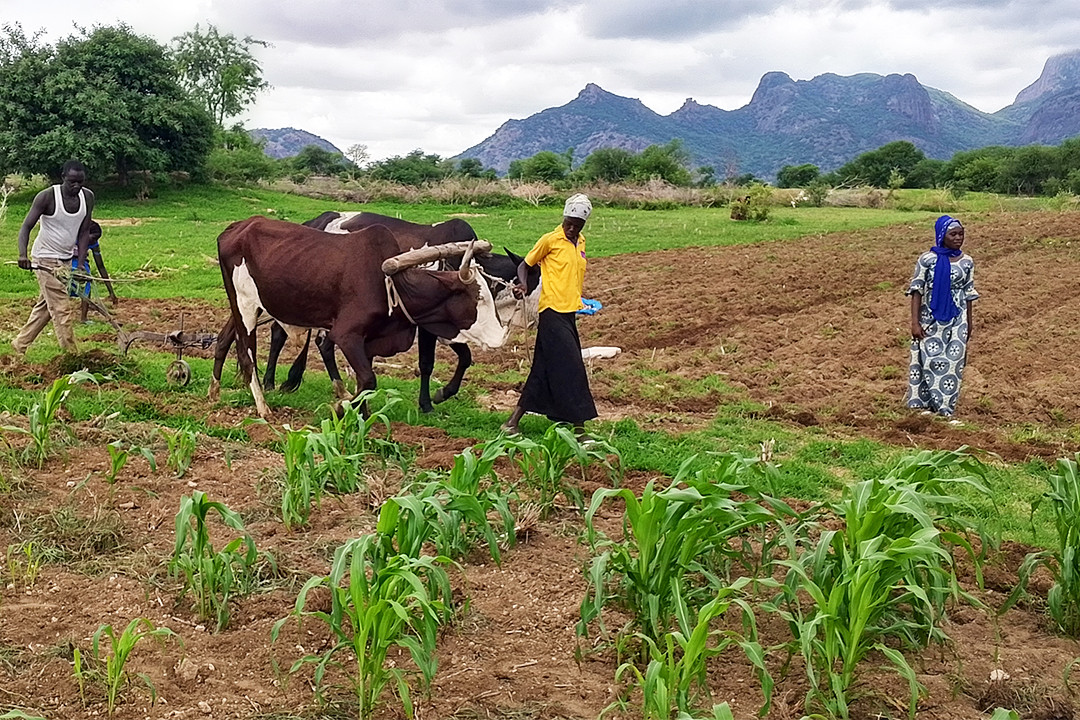
In this context, our support is aimed at building the resilience of smallholder farms in the face of the effects of climate change. Through agricultural training, particularly the promotion of agroecological practices, we enable farmers to improve their production. The creation of savings and credit groups, as well as access to water and sanitation, are also part of the project. This project enables smallholder farmers to improve their food security and incomes whilst safeguarding their land.
Objectives
• To practise agriculture in harmony with nature and in a way that preserves the land.
• To support, encourage, advise and train farmers.
• To contribute to the resilience of small family farms by promoting agroecological techniques and approaches.
• Support the establishment of mutual solidarity schemes (MuSo).
• Support access to water through the construction of wells.
• Support ecological sanitation.
Activities
-
Training for farmer-leaders in key agroecological techniques: zaï farming, composting, mulching, agroforestry, the production of organic pesticides, the construction of small dams, crop diversification, intercropping, crop rotation, integrated crop and livestock farming, the production of local seeds, and the creation of medicinal gardens.
-
The ‘Farm School Fields’
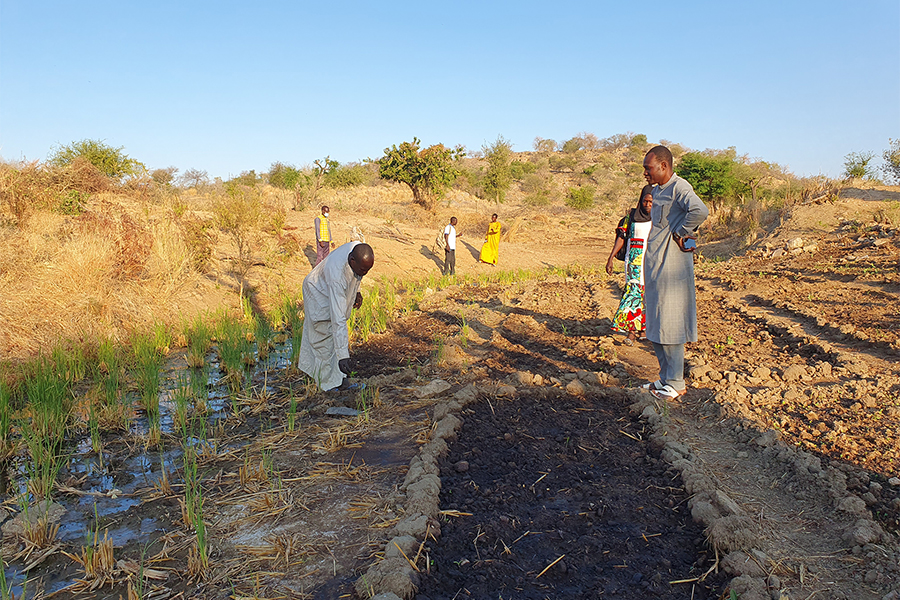
The "Farm School Fields" are demonstration fields set up in each target area. Their aim is to enable farmers to receive training from extension workers by putting what they have learnt into practice directly in the project’s demonstration field. This hands-on approach and the demonstrations attract farmers and provide a good platform for raising awareness.
The project supports the establishment of new Model Agriculturlal farms and the strengthening of the four existing ones. A Model Farm farm is selected on the basis of its infrastructure and organisation, the owner’s concrete commitment to agroecology, and its capacity to promote agroecology. The farmer’s farm is supported in becoming a model agricultural enterprise that applies agroecology.
Testimonials
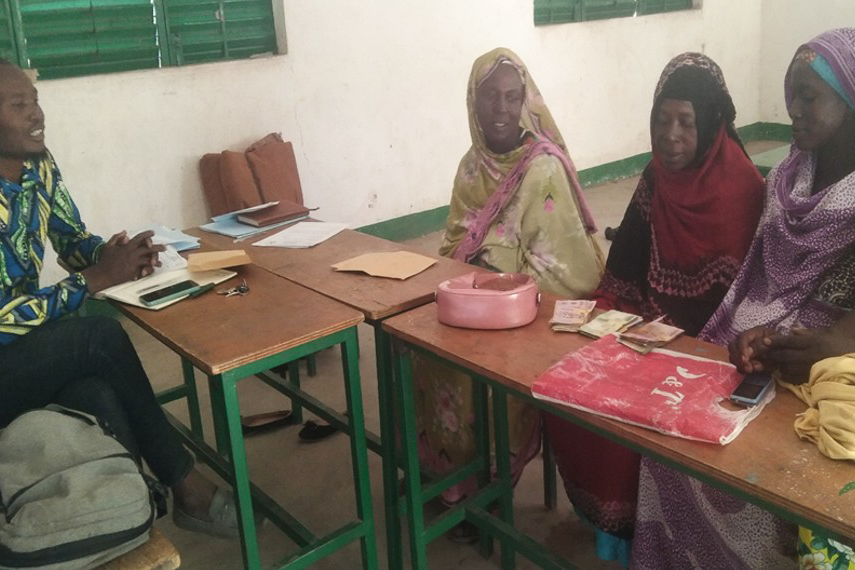
“Working at the Mutual Solidarity Society is really rewarding, because we’re building a strong sense of community and we also have easy access to credit without having to rely on outside organisations or go to savings banks (banks), where the process takes a long time and is very complicated.” Mariam
Results
-
209 farmer-leaders (176 men and 33 women) have been trained in agroecological practices and crop diversification. These farmer-leaders receive theoretical instruction followed by practical training on model farms. They then go on to train other farmers, known as participating farmers.
-
The farmer-led initiative has trained 2235 new member farmers.
-
Teaching children about agroecology through school gardens:
25 pupils and 3 teachers/supervisors took part in a training programme covering: sorting organic waste, composting techniques and compost management, and the basics of market gardening: soil preparation, sowing, transplanting, watering and mulching.
-
11 mutual solidarity societies have been established, with a total of 253 female members.
-
Youth entrepreneurship: 23 young people trained
In the face of youth unemployment and precarious incomes, promoting entrepreneurship is a strategic tool for sustainable socio-economic integration. In December 2025, 23 young people received basic training in entrepreneurship (identifying business opportunities, planning and management) at Ferme Hayat.